A Complete Pharma documents files like SOP, Risk Assessment, Equipment Qualification, Process Validation, Cleaning Validation are available.
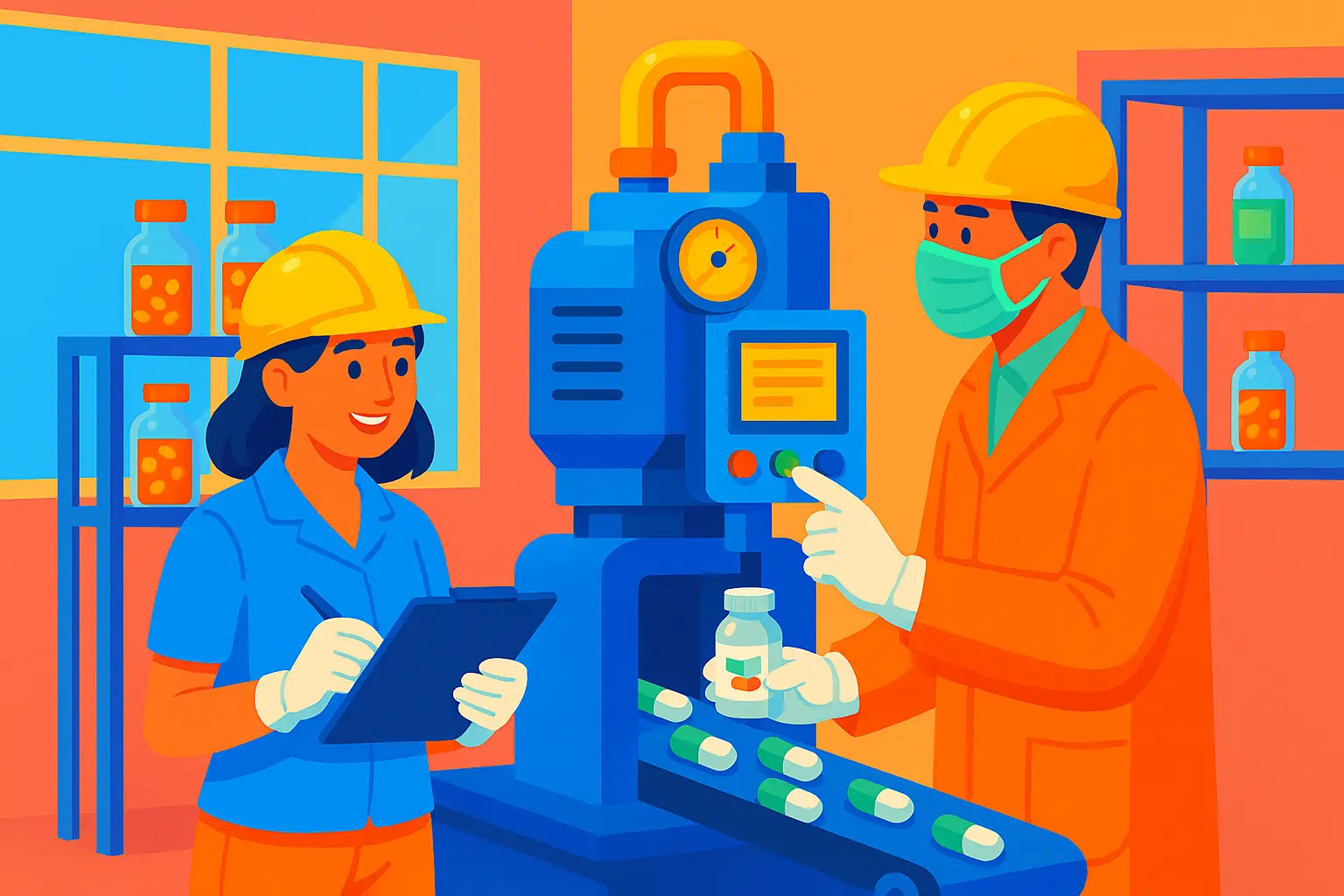
Introduction: What Is SOP in Pharma?
Standard Operating Procedures (SOPs) are the backbone of the pharmaceutical industry. They define the how, when, and why behind every regulated activity performed in a pharma facility. From manufacturing and quality assurance to warehouse operations and regulatory submissions, SOPs create a structured system that ensures compliance, consistency, and safety. In an industry governed by strict global regulations—GMP, WHO, USFDA, EMA, MHRA, ICH Q7–Q10—SOPs are not optional; they are a legal and operational necessity.
A well-designed SOP ensures:
- Consistency in daily operations
- Compliance with GMP, FDA, WHO, and ICH guidelines
- Traceability and accountability
- Error reduction and improved safety
- A strong quality culture
SOPs (Standard Operating Procedures) are the framework that keeps a pharmaceutical company compliant, efficient, and capable of delivering safe medicines. From manufacturing and quality assurance to regulatory affairs and pharmacovigilance, every activity in pharma must be documented and performed according to SOPs that meet GMP, WHO, FDA, and ICH guidelines.
Types of SOPs in Pharma

Manufacturing SOP in Pharma
Defines GMP-controlled processes for tablets, injectables, ointments, oral liquids, hard-gel, and soft-gel manufacturing.

Quality Assurance SOP in Pharma
Controls deviations, CAPA, documentation, audits, and change management to ensure total pharmaceutical quality compliance.
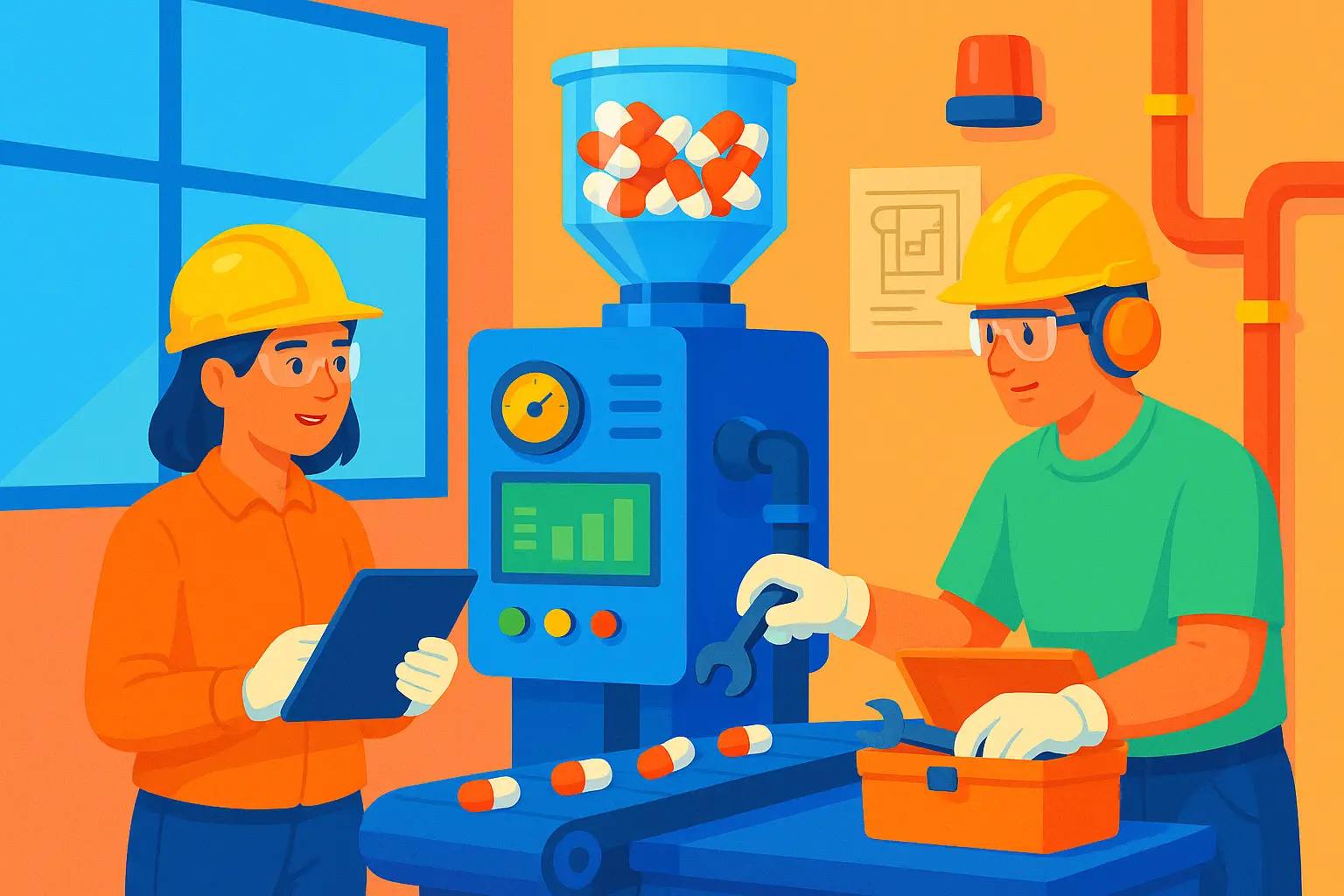
Engineering SOP in Pharma
Ensures reliable equipment, utilities, HVAC, calibration, and maintenance supporting GMP-compliant pharmaceutical operations.

Quality Control SOP in Pharma
Standardizes testing of materials and products, ensuring purity, potency, identity, and GMP-compliant quality results.
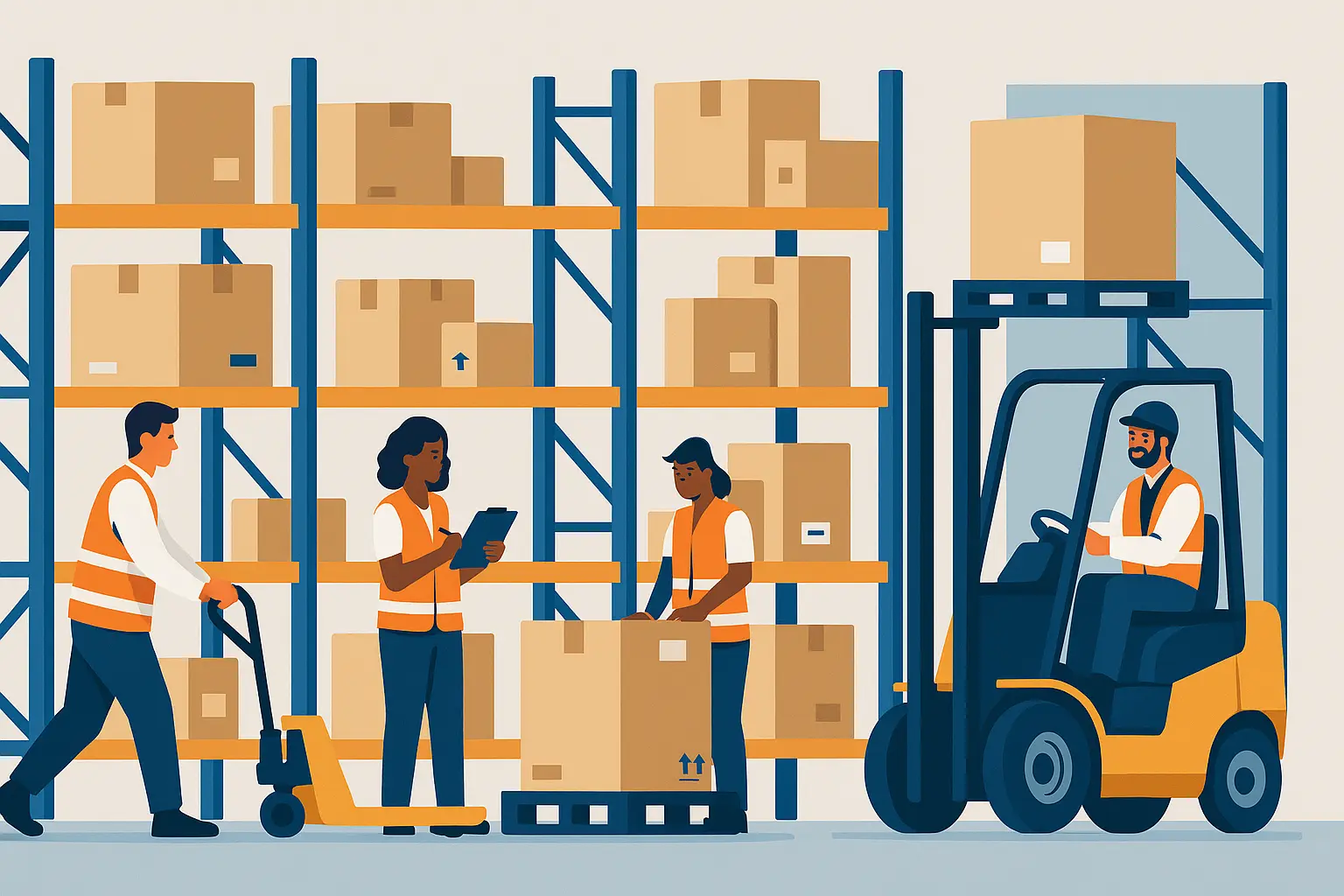
Warehouse SOP in Pharma
Regulates storage, material handling, segregation, FEFO/FIFO, and environmental controls for GMP warehouse operations.

HR SOP in Pharma
Manages recruitment, GMP training, employee qualification, documentation, and compliance for a skilled pharma workforce.

Information Technology SOP in Pharma
Maintains validated systems, data integrity, secure access, backups, and 21 CFR Part 11 compliance.

Safety SOP in Pharma
Ensures safe operations through PPE guidelines, chemical handling, emergency response, and hazard prevention.
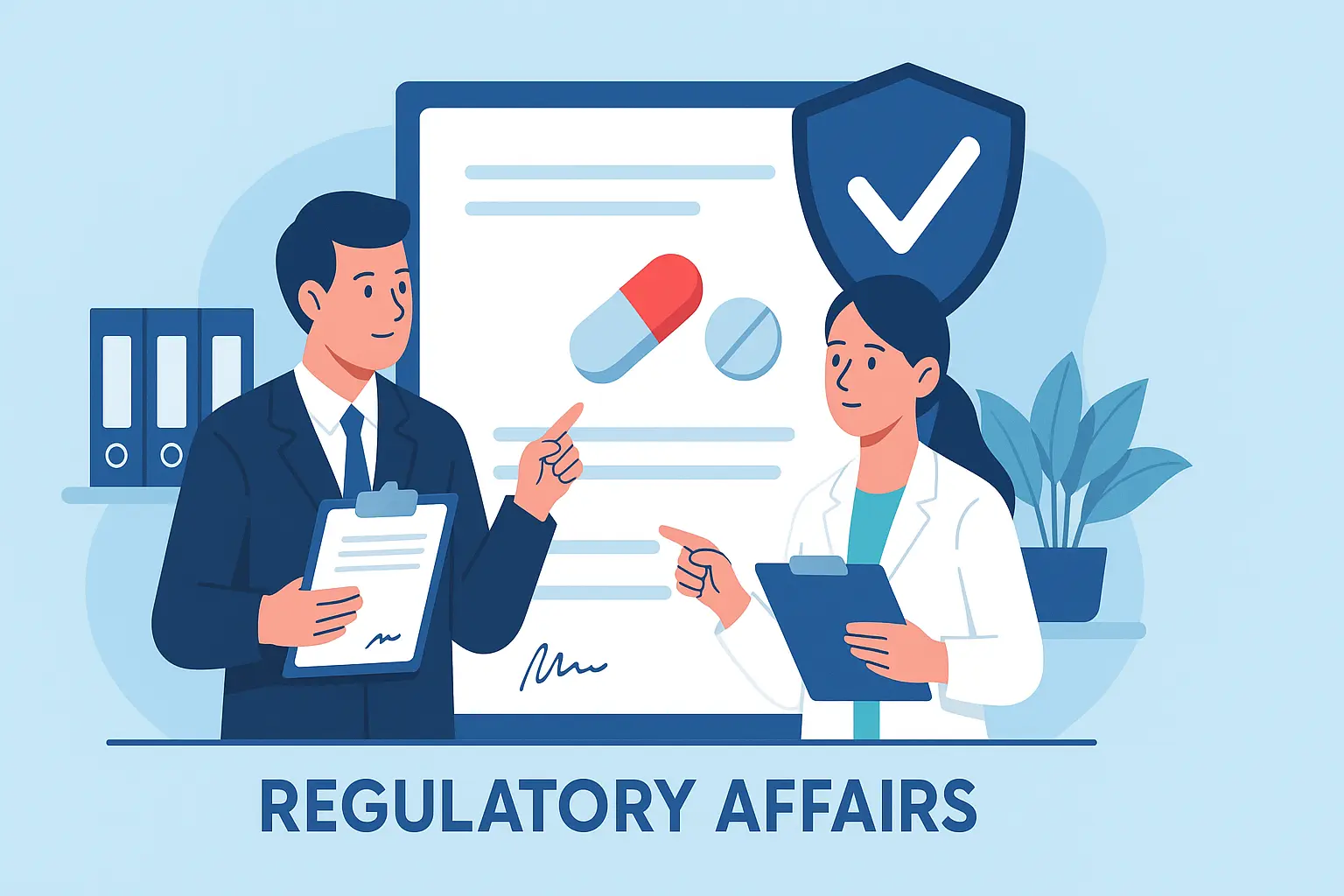
Regulatory Affairs SOP in Pharma
Manages dossiers, submissions, variations, labeling, and global compliance with regulatory authority requirements.

Supply Chain Management SOP
Controls procurement, vendor qualification, logistics, cold-chain management, and distribution for compliant pharma supply flow.

Formulation R&D SOP in Pharma
Guides formulation design, prototype development, optimization, and tech transfer for new pharmaceutical products.

Analytical R&D SOP in Pharma
Defines method development, validation, impurity profiling, and stability analysis for pharmaceutical research activities.

Preventive Maintenance SOP in Pharma
Schedules planned equipment maintenance, calibration, inspections, preventing failures and ensuring continuous GMP operations.
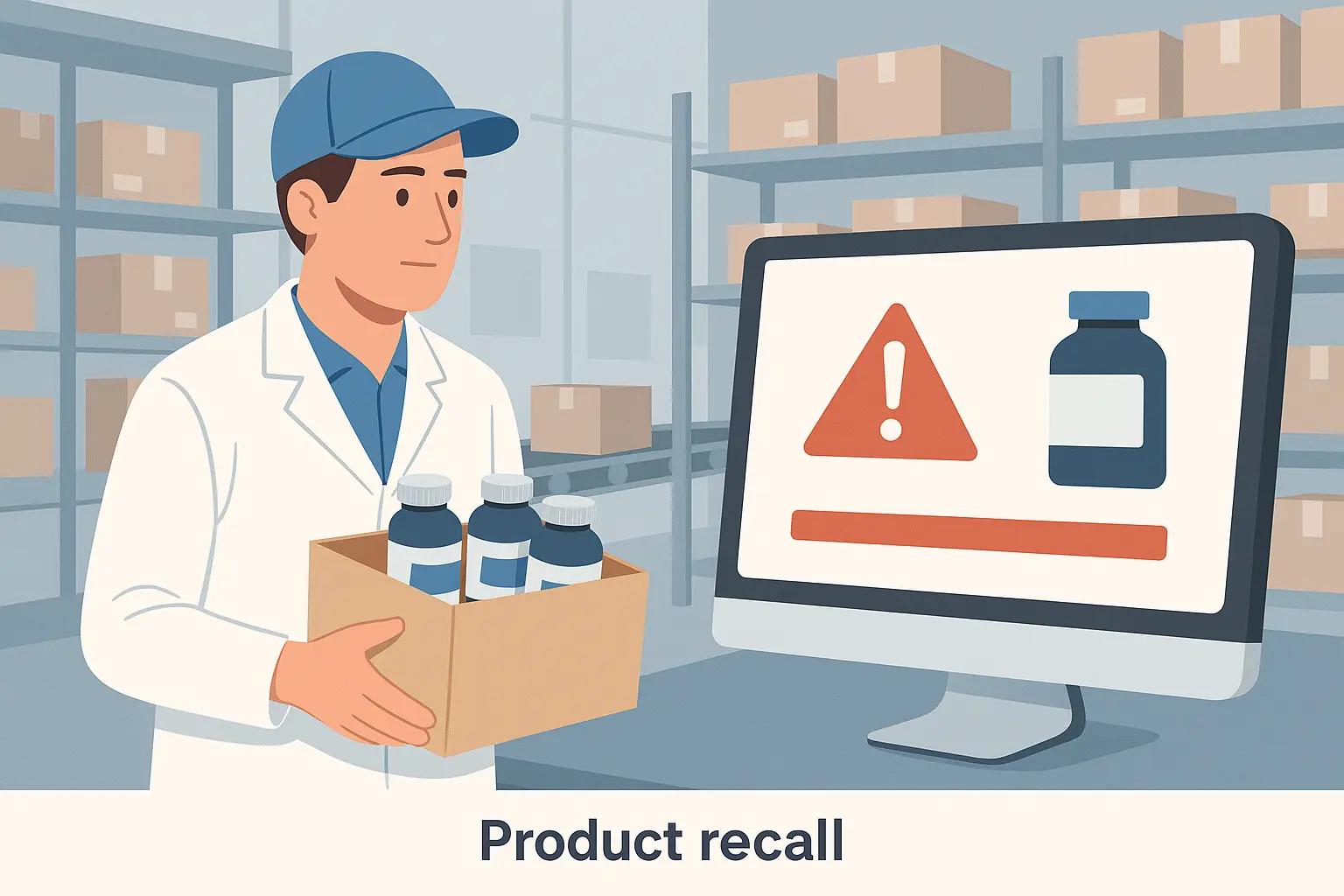
Product Recall SOP in Pharma
Defines procedures for identifying, communicating, and retrieving defective batches to protect patient safety.

Microbiology SOP in Pharma
Controls sterility testing, environmental monitoring, microbial limits, and contamination prevention in pharmaceutical manufacturing.

Pharmacovigilance SOP in Pharma
Manages ADR reporting, signal detection, risk assessment, ensuring ongoing drug safety monitoring.

IPQA Instrument SOP in Pharma
Defines in-process checks, instrument use, real-time monitoring, and documentation ensuring batch-quality compliance.

Corporate Quality Assurance SOP
Harmonizes company-wide quality systems, audits, compliance, and global GMP governance across all sites.

What Are SOPs in Pharma?
In the pharmaceutical industry, Standard Operating Procedures (SOPs) are detailed written instructions that outline how specific processes must be executed to maintain Good Manufacturing Practices (GMP). They ensure that each activity is performed consistently and correctly, reducing variability and eliminating human error. SOPs help employees follow approved, validated, and compliant processes across all departments.
A typical SOP describes objective, scope, responsibilities, safety requirements, step-by-step procedures, documentation needs, and references. Pharma SOPs must be clear, unambiguous, easy to follow, and aligned with regulatory expectations. They also must undergo scheduled reviews, version control practices, and controlled distribution to ensure only the latest approved copy is in use.
In short, SOPs ensure that pharmaceutical products are manufactured, tested, stored, and distributed under controlled, standardized, repeatable, and compliant conditions.
Importance of SOPs in the Pharmaceutical Industry
SOPs play a vital role in maintaining product quality, patient safety, and regulatory compliance. Their importance can be understood through the following points:
1. Ensures Compliance with GMP Regulations
SOPs provide documented proof that a facility is following internationally accepted manufacturing and quality guidelines. Auditors from agencies like USFDA, WHO, EMA, and MHRA examine SOPs to verify that processes are controlled and compliant.
2. Maintains Consistency Across All Operations
Without SOPs, every employee might perform tasks differently. SOPs standardize actions to ensure repeatability, predictability, and minimized variability.
3. Reduces Errors and Deviations
Clear procedures help prevent mistakes, contamination, mix-ups, and processing failures. When deviations occur, SOPs provide traceability and structured investigation support.
4. Supports Employee Training
New employees learn processes faster and better when SOPs are clear and concise. Training based on SOPs ensures uniform competency across shifts and departments.
5. Enhances Audit Readiness
Well-written and well-maintained SOPs demonstrate quality control, risk management maturity, and operational discipline. Good SOPs reduce audit observations and regulatory warnings.
6. Protects Patient Safety
Ultimately, SOPs ensure that medicines are safe, effective, and high-quality, safeguarding public health and company reputation.
Components of a Well-Designed SOP
A typical pharmaceutical SOP includes the following structure:
- Title and SOP Number: Ensures easy tracing and referencing. Part of a controlled documentation system.
- Purpose: Explains why the SOP is needed and what it covers.
- Scope: Defines where and to whom the SOP applies.
- Responsibilities: Lists designated personnel accountable for following or monitoring the procedure.
- Definitions & Abbreviations: Clarifies technical terms and ensures uniform understanding.
- Materials & Safety Requirements: Includes PPE, tools, chemicals, and safety precautions.
- Detailed Procedure: Step-by-step instructions that describe exactly how to perform the task. This is the core of the SOP.
- Documentation & Records: Specifies forms, logs, formats, or electronic systems where data must be recorded.
- References : Links to guidelines (ICH, WHO GMP), policies, master documents, or validation protocols.
- Revision History: Ensures traceability for audits, inspections, and internal reviews.
This format ensures clarity, regulatory alignment, and training effectiveness.
SOP Lifecycle in Pharma
An SOP must follow a structured lifecycle:
- Drafting
- Review by SMEs (Subject Matter Experts)
- QA review and approval
- Training of users
- Effective date assignment
- Controlled issuance
- Implementation
- Periodic review (typically every 2 years)
- Revision or retirement
This lifecycle ensures accuracy, relevance, and compliance with evolving regulations.
Challenges in SOP Management
Despite their importance, pharma companies face challenges such as:
- Outdated SOPs not matching current practices
- Poor training leading to non-compliance
- Excessively long or complex SOPs
- Inadequate change control
- Lack of version control
- Misaligned practices between sites
- Inefficient document management systems
- Language and interpretation issues
These challenges can be overcome through strong QMS supervision, digital systems, and periodic refresher training.
Best Practices for Writing Effective SOPs
To create clear, audit-proof SOPs:
- Use simple, direct language
- Write step-by-step instructions
- Include flowcharts or diagrams where useful
- Clearly define responsibilities
- Keep procedures concise but complete
- Align SOPs with validation data
- Ensure SOPs are consistent with master manufacturing documents
- Train employees thoroughly before implementation
- Use effective version control
- Perform periodic SOP audits
Good SOP writing helps eliminate ambiguity and enhances regulatory compliance.
Challenges in SOP Management
Pharma 4.0 is modernizing SOP systems through:- eSOP platforms
- Electronic batch records
- Automated workflows
- Mobile-accessible SOPs
- AI-driven compliance monitoring
- Integration with MES, LIMS, and QMS software
SOPs in pharma are far more than procedural documents—they are the foundation of quality, compliance, safety, and operational excellence. They ensure that pharmaceutical products are manufactured and tested consistently, following validated and regulatory-approved methods. With strong SOPs, companies improve efficiency, reduce deviations, streamline training, and maintain global regulatory compliance.
In a rapidly evolving industry, SOPs ensure stability, clarity, and reliability. As pharma moves toward digitalization, the future of SOPs lies in intelligent, automated, and integrated documentation systems that support continuous improvement and quality excellence.